
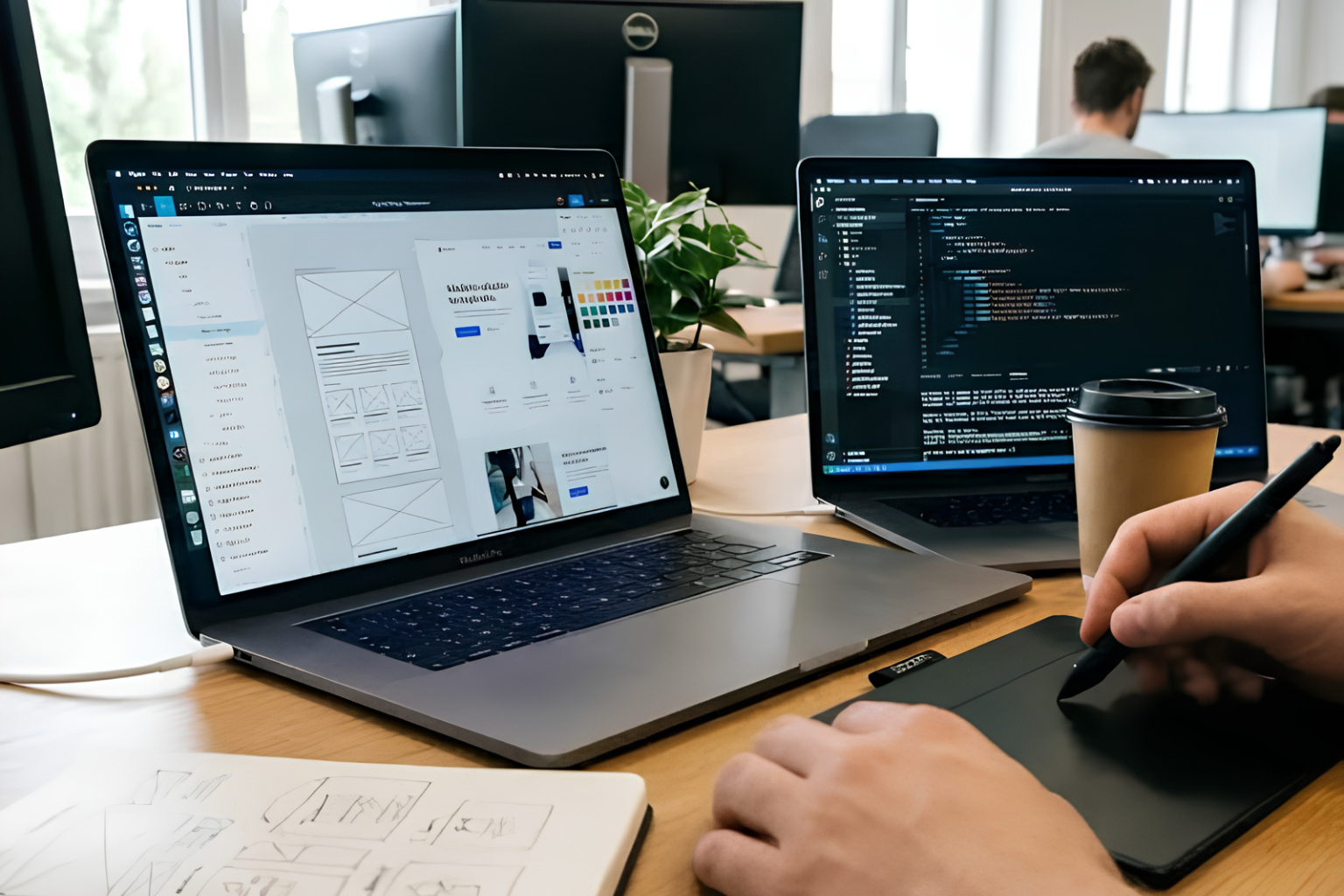
How to Redesign Your Website Without Losing Google Rankings
Redesigning your website is a great opportunity to improve its appearance, user experience, and performance. However, many businesses worry about one important thing: losing their existing Google rankings.
A poorly planned website redesign can affect organic traffic, keyword rankings, and website visibility. The good news is that with the right SEO strategy, you can give your website a fresh look while protecting its existing search performance.
Here are some important steps to follow before and during a website redesign.
1. Review Your Existing Website Performance
Before making any changes, understand how your current website is performing. Identify your highest-ranking pages, important keywords, organic traffic sources, and pages generating enquiries.
Use Google Search Console and Google Analytics to review performance data. This will help you identify valuable pages that need to be protected during the redesign.
2. Keep Your Important URLs the Same
One common mistake during a website redesign is changing existing URLs unnecessarily.
If your current pages are ranking well on Google, try to keep their URLs unchanged. If you must change a URL, set up a proper 301 redirect from the old URL to the most relevant new page.
This helps search engines and visitors find the correct content instead of landing on broken pages.
3. Preserve Your Existing SEO Content
Your website content plays an important role in search rankings. Avoid removing or completely rewriting high-performing content without a clear reason.
Keep important keywords, headings, service information, internal links, and relevant content wherever possible. You can improve readability and update outdated information while maintaining the original search intent.
4. Optimise Your New Website for Mobile and Speed
A redesign should improve more than just appearance. Your new website should load efficiently, work smoothly on mobile devices, and offer easy navigation.
Pay attention to image sizes, page loading speed, mobile responsiveness, and overall usability. A better user experience helps visitors navigate your website and find the information they need.
5. Check Technical SEO Before Launch
Before making your redesigned website live, check important technical SEO elements.
Make sure:
- Important pages are accessible to search engines.
- XML sitemaps are updated.
- Robots.txt is configured correctly.
- Canonical tags point to the correct URLs.
- Internal links are working.
- Pages do not have accidental noindex settings.
These checks help search engines crawl and index your redesigned website properly.
6. Monitor Rankings After the Redesign
Your SEO work does not end when the new website goes live. Monitor Google Search Console for indexing issues, traffic changes, and keyword performance.
Check for broken links, missing redirects, and unexpected ranking drops. Fixing problems early can help reduce the impact on your organic search performance.
Redesign Your Website with Rysol Media
A website redesign should improve your online presence, not put your existing Google rankings at risk. Planning the redesign with SEO in mind can help protect valuable traffic while creating a better experience for your customers.
At Rysol Media, we provide website design, development, and SEO services to help businesses build websites that look professional, perform effectively, and support long-term growth.
Planning a website redesign? Let Rysol Media help you create an SEO-friendly website without overlooking your existing search performance.
Need help putting this into practice?
At Rysol Media, we specialise in building websites and digital strategies that actually generate leads. Explore what we can do for your business: